
Artivism: Río de la Plata Murga


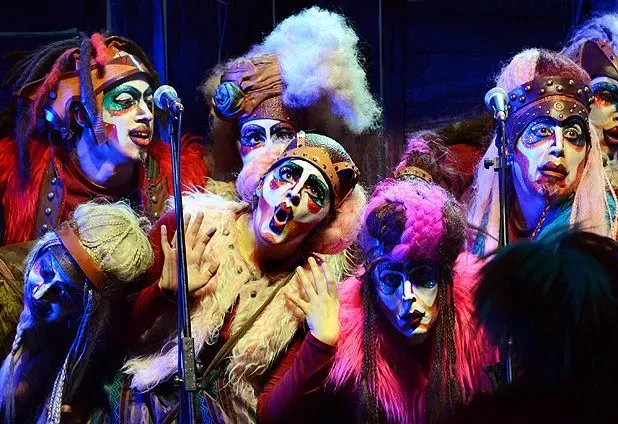
Every February in Uruguay, many people paint their faces and take the stage.
They sing together. Laughter is guaranteed, for a while. They also speak about what hurts, what touches the mind, body, and heart. This is Murga: a moment to express, without filters or fear, our social truths and unconscious forces so that violence doesn’t erupt through other channels within social structures.
In the Río de la Plata region (Uruguay and Argentina), what place does murga hold beyond entertainment in the communities where it is practiced?
It is a collective practice where art is placed at the service of life, transforming pain and anger into creative expression giving voice to many who don’t dare to speak for different reasons. It can be seen as an act of artivism: art that exposes truths by entering everyday conversation. And for many people, it takes on a reclaiming, empowering dimension.
What is artivism?
What happens when art intersects with social action? Can art open conversations that otherwise wouldn’t happen?
Artivism brings together art and activism whether social, ecological, political, or sacred as well as conscious creative action for change. It also strengthens the social fabric, with healing potential, allowing a community to think together, feel together, and recognize itself through the play of art while revealing truths that invite deeper reflection and open a different kind of space for thought.
In many parts of the world, community theater, street poetry and music, or murals have fulfilled this role. They are spaces where people gather to express concerns, questions, dreams, and hopes.
Does murga fulfill this role in the Río de la Plata?
How do those who participate in it or listen to it experience it?
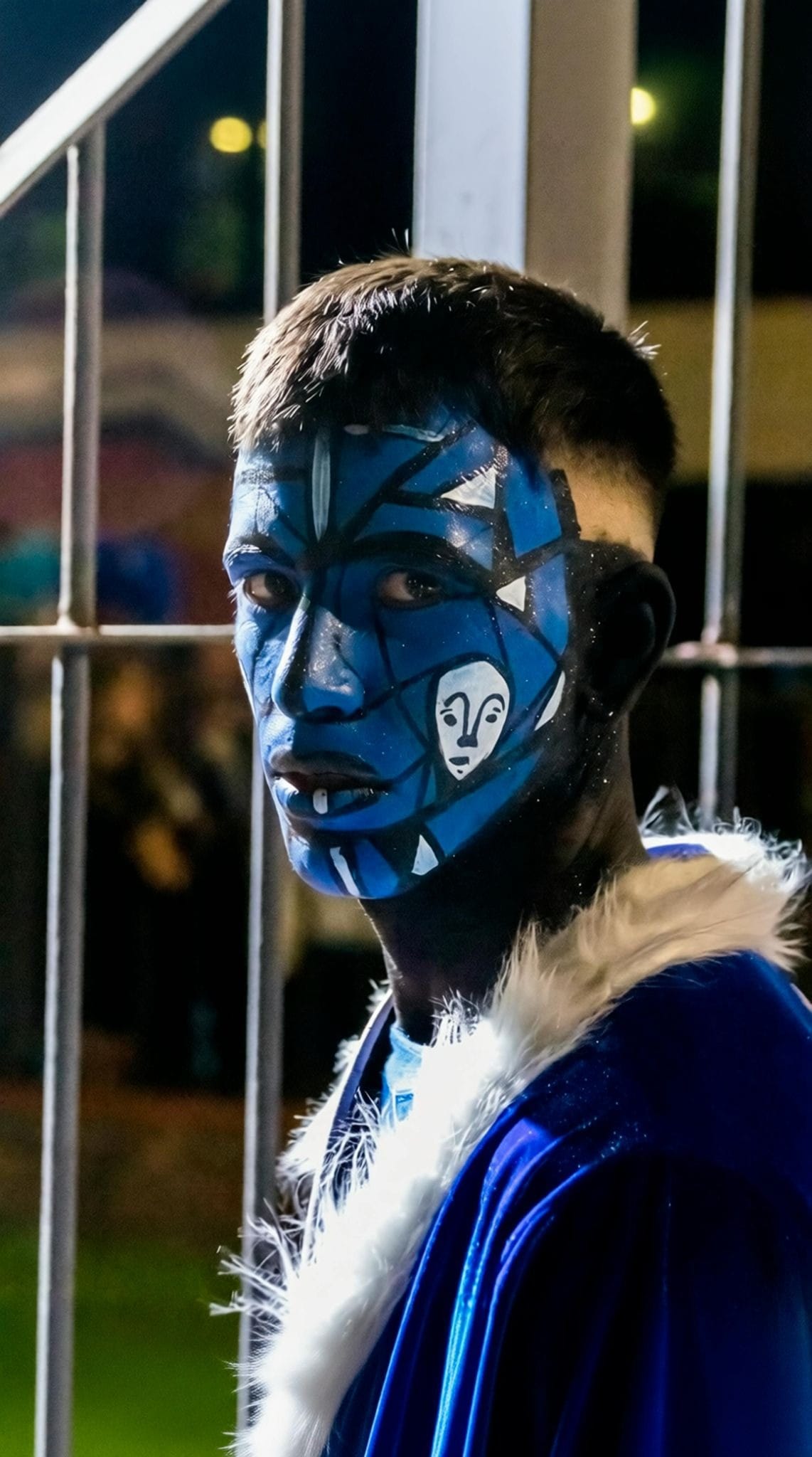
Its origin invites us to ask: how do European, African, and local roots intertwine in this practice?
Its roots come from various territories, as it drew elements from Spanish carnival groups that arrived in the 19th century. Over time, it evolved in Uruguay and Argentina. It also incorporated rhythms and expressions from the African diaspora, along with elements unique to each territory. Like many popular expressions in Abya Yala today, murga was born from the encounter between cultures. Today, it is part of Uruguay’s cultural identity.
A typical murga includes 15 to 20 people singing together in chorus. They use a bass drum, snare drum, and cymbals. The show includes an opening, shorter segments, and a closing farewell.
But beyond its structure, what truly matters is what happens between the stage and the audience. That is something unique: people hear an artistic, poetic, and critical version of their own reality, with a touch of humor and sarcasm.
It speaks about politics, inequality, and everyday struggles. In this way, murga and its performers create a kind of “ritual” space a collective moment to look at reality without breaking the social bond. It can even serve a function of social cohesion, reinforcing cultural identity.
That’s where its power lies.
Why are we talking about this today?
Because it is necessary to keep creating spaces where we can engage in constructive critique, reflect, and feel safe at the same time.
What role does art play in processes of social change?
How do practices like murga relate to conversations about culture and resilience within the Transition movement?
By promoting a culture that helps us move forward one that is resilient these symbolic and expressive spaces allow transformation to become real, giving rise to new narratives, arts, and encounters.
Let’s reflect together:
What artistic actions exist where you live?
Where do people in your neighborhood gather to talk about what’s happening?